Feeding the Machine Nothing: How Streaming Algorithms Erase Underground Dark Music From Existence
Let's get something straight right out of the gate: the algorithm does not care about your art. It doesn't care about the three years you spent layering field recordings of abandoned industrial sites into something genuinely haunting. It doesn't care about the cassette run of 200 you pressed out of your own pocket, or the zine you stapled together to accompany it. The algorithm cares about one thing — engagement metrics — and the music that thrives in dark, experimental, and underground spaces tends to be exactly the kind of thing that breaks those metrics in half.
This isn't a paranoid take. It's math. And once you understand the math, you start to understand why some of the most innovative sounds being made in America right now are completely invisible to the 450 million people using Spotify every month.
How the Recommendation Engine Actually Works
At its core, a streaming recommendation algorithm is a pattern-matching machine. Platforms like Spotify, Apple Music, and Amazon Music feed listener behavior — skips, saves, playlist adds, repeat plays, listening duration — into models that then predict what a given user will engage with next. The goal isn't to introduce you to something genuinely new. The goal is to keep you on the platform as long as possible.
"The algorithm is optimizing for retention, not discovery," explains one independent music technologist who has consulted for both labels and streaming platforms and asked to remain unnamed. "When you really dig into how these systems are weighted, catalog depth and listener base size matter enormously. A song with 200,000 streams is exponentially more likely to get recommended than one with 2,000, even if the one with 2,000 is objectively more interesting."
That feedback loop is brutal for underground music. Niche genres — we're talking genuine dark ambient, power electronics, funeral doom, noise, dungeon synth, ritual folk, and the countless subgenres that live between and beneath those labels — simply don't have the listener density to generate the data signals that push algorithmic recommendations. They exist in a statistical dead zone.
The Playlist Industrial Complex
If the recommendation algorithm is the first wall, editorial playlisting is the second. Spotify's editorial playlists — the ones with hundreds of thousands of followers — function as tastemaking engines that can make or break a release. Getting placed on a playlist like "Peaceful Piano" or "Today's Top Hits" can mean tens of thousands of streams overnight.
But there is no "Harrowing Industrial Ritual" playlist with that kind of pull. There is no "Confrontational Noise" feature on the front page. The editorial teams at major streaming platforms are building for broad audiences, and broad audiences, almost by definition, aren't the people who want to sit with forty minutes of droning black metal recorded in a basement in rural Minnesota.
Independent artists working in dark genres have largely figured this out. Marcus Veil, who produces under the project name Cinder Throne and releases exclusively through Bandcamp and limited physical runs, puts it bluntly: "Streaming platforms aren't built for what I do. I stopped trying to make them work for me two years ago. My audience finds me through word of mouth, through forums, through people sharing physical copies. It's slower, but the people who connect with the music actually connect with it."
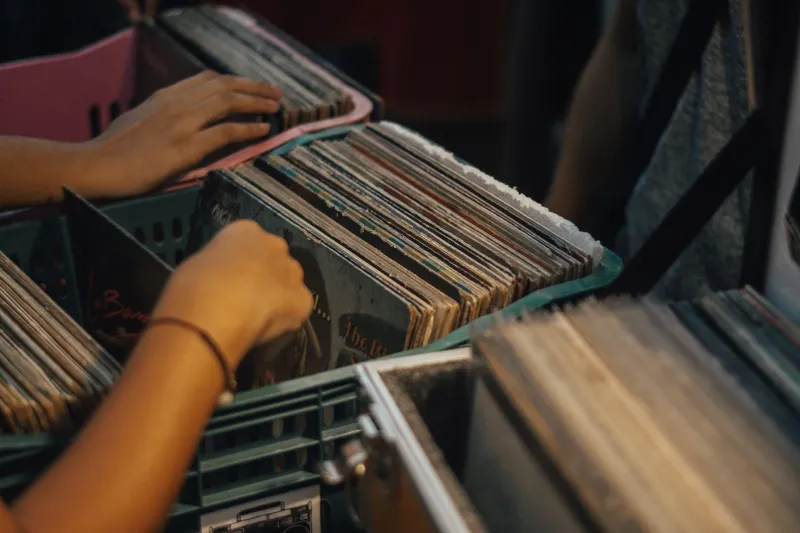
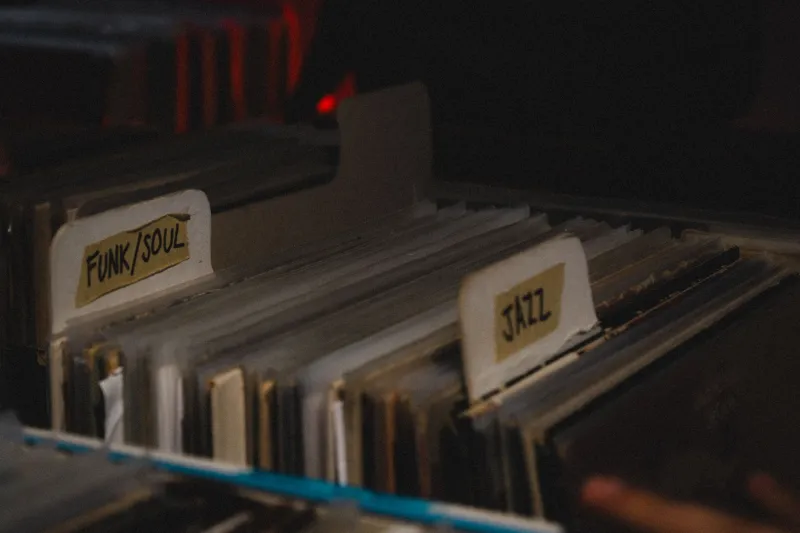
That sentiment is echoed across the underground. The active friction involved in finding dark and experimental music — the digging, the forum threads, the Discogs rabbit holes, the recommendations from the one person at the record store who actually gets it — creates a kind of listener who is fundamentally different from someone who just hits shuffle on an algorithmic playlist.
Financial Architecture and the Mainstream Gravity Well
Beyond the technical mechanics, there's a financial reality that makes the situation even more lopsided. Streaming platforms generate revenue through advertising and subscriptions, and they attract advertisers by demonstrating reach to mainstream demographics. The incentive to surface experimental music that appeals to a few thousand deeply committed listeners is essentially zero compared to the incentive to surface pop music that keeps casual users subscribed.
Major labels, meanwhile, have the resources to game the system — paying for playlist placements, funding promotional campaigns that artificially inflate early streaming numbers, and leveraging existing relationships with platform editorial teams. Independent dark music labels and artists operating without that infrastructure are fighting with a hand tied behind their backs.
"There's a pay-to-play dimension that nobody really wants to say out loud," says one small label owner based in Chicago who releases experimental and dark electronic music. "The platforms say it's purely about listener behavior, but listener behavior doesn't exist in a vacuum. It's shaped by what gets promoted. And what gets promoted is shaped by who has money."
The Paradox of Productive Invisibility
Here's where it gets genuinely interesting, though — and where the story shifts from purely bleak to something more complicated. The invisibility that streaming algorithms impose on underground dark music has a side effect that many artists and listeners are starting to recognize as a feature rather than a bug.
When discovery requires effort, the community that forms around a genre is self-selecting in the best possible way. The person who found your doom metal project through a Bandcamp tag search or a Reddit thread in some niche subforum is not a passive consumer. They are a participant. They show up to shows. They buy physical releases. They tell other people. They sustain scenes in ways that algorithmic listeners simply don't.
There's also an artistic freedom that comes with knowing you are not optimizing for algorithmic performance. When a black metal artist knows their music will never get a Spotify editorial feature regardless of what they do, they stop making decisions based on what might get one. The music gets stranger, more committed, more genuinely itself. The underground has always operated this way, but the streaming era has made the divide sharper and more explicit.
"I think the algorithm's failure to find us is actually protecting us," says Veil. "The moment this music becomes easy to stumble into, it starts to change. The weirdness gets sanded off. Right now, you have to want it. That means the people who find it really want it."
The Two-Tier Ecosystem Nobody's Talking About
What we're watching take shape is a genuinely bifurcated music ecosystem. On one side, the streaming platforms and their algorithmic architectures are creating a homogenized, endlessly refreshed pool of content optimized for passive consumption and maximum retention. On the other side, an underground infrastructure — Bandcamp, physical media, independent radio, word of mouth, small venues, zines — is sustaining music that demands active engagement.
For listeners who have spent any real time in the dark music world, this isn't surprising. The underground has always existed in deliberate friction with the mainstream. What's new is the scale and the explicitness of the divide. The algorithm hasn't just failed to surface underground dark music — it has inadvertently clarified the terms of the split.
If you want the music that's genuinely pushing into uncomfortable, innovative, uncompromising territory, you're going to have to go looking for it. The machine isn't going to bring it to you. And honestly? That's probably fine. The music is better for it. And so are you.